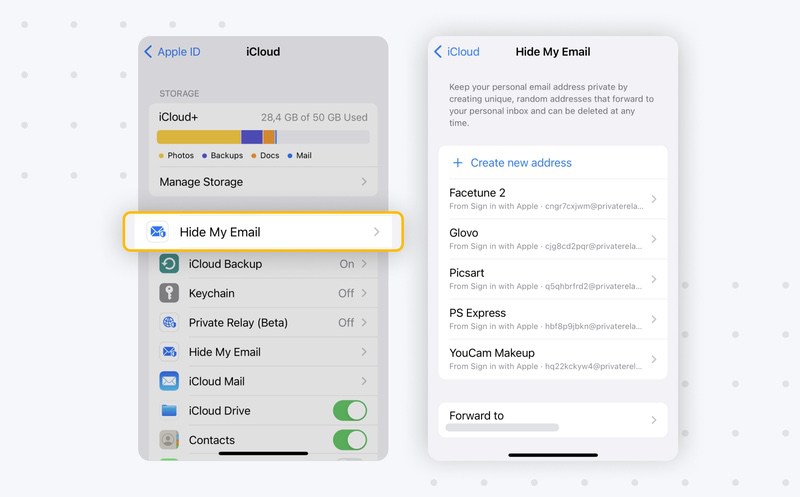
Apple’s Hide My Email Feature Exposed: The Impact on User Privacy
Recent research has brought to light a significant vulnerability within Apple’s Hide My Email feature, which is designed to mask users’ actual email addresses while they interact with various platforms and services. The revelation of this bug raises urgent concerns about the efficacy of privacy mechanisms and the broader implications for user data security.
The Nature of the Bug
The technical details surrounding the bug indicate potential exposure of users’ real email addresses. Such a flaw not only undermines the core purpose of the feature—ensuring anonymity and privacy—but also signals a critical failing within Apple’s rigorous testing and quality assurance protocols. These developments provoke questions regarding the ever-evolving trust dynamics between tech giants and their user base.
Industry Disruption and User Trust
As consumers increasingly embrace digital privacy solutions, any disruptions of this nature can echo through the entire tech sector. Users may begin to reconsider their affiliations with companies that experience significant failings in user data protection. It’s a precarious balancing act; Apple, long heralded as a bastion of privacy, now faces potential backlash that could disrupt its stronghold in the personal technology market.
Comparative Analysis
This incident isn't the first of its kind. Various tech firms have faced challenges when it comes to implementing reliable privacy features:
- Apple's Hide My Email Feature Exposed raises the question of consumer confidence in its offerings.
- WhatsApp's Username Rollout is highlighting impersonation concerns, exacerbating the urgency for tech companies to prioritize user safety.
- Meanwhile, in the broader SaaS market, Bending Spoons is capitalizing on market disruptions to elevate its profile amid these challenges.
Looking Forward
While Apple has pledged to address the bug swiftly, the question remains: can they restore user faith in their privacy efforts? The tech industry should brace itself for shifts in user perception as other companies may emerge as viable alternatives. As competition in consumer privacy solutions intensifies, the necessity for robust, resilient features becomes paramount.
Conclusion
In this era of digital transformation, the fragility of user trust is becoming increasingly evident. Tech firms must acknowledge that any lapse in user privacy can lead to profound industry disruptions, shifting consumer loyalty and fostering a landscape where transparency and reliability reign supreme.